How to Make the Move to Memory Care Easier for Seniors
Business Name: BeeHive Homes of Levelland
Address: 140 County Rd, Levelland, TX 79336
Phone: (806) 452-5883
BeeHive Homes of Levelland
Beehive Homes of Levelland assisted living care is ideal for those who value their independence but require help with some of the activities of daily living. Residents enjoy 24-hour support, private bedrooms with baths, medication monitoring, home-cooked meals, housekeeping and laundry services, social activities and outings, and daily physical and mental exercise opportunities. Beehive Homes memory care services accommodates the growing number of seniors affected by memory loss and dementia. Beehive Homes offers respite (short-term) care for your loved one should the need arise. Whether help is needed after a surgery or illness, for vacation coverage, or just a break from the routine, respite care provides you peace of mind for any length of stay.
140 County Rd, Levelland, TX 79336
Business Hours
The move to memory care is seldom simply an adjustment of address. It is a modification in routine, environments, and, for numerous households, the emotional rhythm of life. Even when every person agrees the action is necessary, the transition can still feel hefty. Senior citizens might be anxious, overwhelmed, or resistant. Relative frequently bring guilt appropriate along with alleviation. That mix prevails, and it deserves to be taken care of with care.
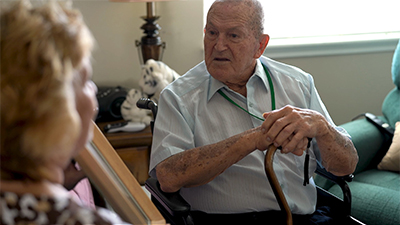
What assists most is not an excellent script or a remarkable moving day. It is prep work, perseverance, and a reasonable understanding of what older adults with memory loss need when their world changes. A move right into memory care functions best when it is dealt with as a gradual process as opposed to a one-day event. Small decisions made early can ravel tension later, from exactly how you pick an area to which family member brings the favored lamp.
Why the shift feels so difficult
For a person dealing with dementia or another memory problem, acquainted people and acquainted environments do a great deal of quiet work. They assist with alignment, decrease anxiousness, and offer a sense of control. Take those away swiftly, and also a well-run area can feel upsetting initially. A new hallway can appear unlimited. A dining room can really feel loud. A bed room that looks comfortable to you might really feel international to someone that is already battling to make sense of the day.
Families commonly underestimate the emotional influence because they focus on logistics. Beds, documentation, medicine listings, moving trucks, and packing materials are genuine concerns, however they are not the hardest component. The hardest part is generally the loss of routine and the sense that life is transforming faster than the senior can refine. That is specifically real when the relocation adheres to a medical facility remain, a fall, or a crisis. In those circumstances, the action may really feel abrupt, and abrupt changes have a tendency to be harder on memory care residents than progressive ones.
There is also a functional reason the change matters so much. A rough initial couple of weeks can shape how somebody experiences the whole neighborhood. If the move is managed with warmth and predictability, the individual is more probable to settle in, take part, and approve assistance. If the relocation is hurried or emotionally chaotic, it can take much longer to adjust.
Start before the move, not on moving day
The ideal transitions begin prior to boxes are packed. When possible, visit a number of memory care communities together. Allow the senior see the dining room, typical areas, and exterior rooms. Ask whether the neighborhood uses brief remains or respite care, since that can be a valuable method to evaluate the atmosphere without dedicating instantly to an irreversible relocation. Families searching for memory care near me commonly focus on area first, which makes sense, but the feel of the community matters just as high as the address.
If the senior can participate in the decision, allow them. Also limited selections can protect dignity. They might pick between two areas, determine which chair to bring, or pick the quilt that remains on the bed. That sense of involvement can lower resistance later. When an individual has memory disability, control over small things typically carries even more weight than control over big decisions.
It likewise helps to talk with team before the relocation. Ask how they usually help brand-new locals clear up in. Excellent senior care groups will certainly have a plan for the initial day, medicine timing, nourishments, and exactly how they introduce a novice to various other residents. If the area has a memory care community instead of a basic assisted living flooring, ask how staff preserve familiarity and continuity. The answers can tell you a great deal regarding whether the setting is an excellent fit.
Pack for convenience, not perfection
Families frequently overpack since they want to cover every possible demand. That is reasonable, yet too much clutter can make an area feel even more complex, not much less. A better approach is to create a room that looks familiar without ending up being crowded. A few purposeful items normally do more excellent than a closet full of extras.
The most useful items are often the ones with sensory or emotional pull. A favored coat. A well-liked blanket. A framed family photo. An acquainted clock. A light that casts soft light in the evening. These objects can anchor the area and help the senior identify it as their own.
A short packaging strategy can maintain things manageable.
- Bring a couple of clearly acquainted possessions that sustain convenience and orientation.
- Label clothes and important things so staff can help more easily.
- Keep important records, medications, and get in touch with information in one place.
- Avoid loading the area with delicate or nostalgic products that are difficult to manage.
- Save a 2nd round of products for after the first week, when you see what is really useful.
There is a compromise here. As well few personal things can make the area feeling clean and sterile. Too many can make it frustrating. The ideal equilibrium is generally someplace between, which equilibrium may transform after the first visit or very first couple of nights. Family members who relocate meticulously usually discover that what seemed essential on packing day was never ever touched, while a small basket of familiar books or a single patchwork comes to be deeply comforting.
Keep the language easy and reassuring
People with memory loss can detect tone even when they do not refine every information of the conversation. Short, calm explanations function far better than prolonged speeches. It is normally much better to state, "We are going to an area where individuals will help with meals and daily care," than to launch into a full explanation of why the relocation is taking place. Duplicating the very same info in a soft, practical method aids more than arguing or overexplaining.
Avoid compeling agreement if the senior is upset. You do not have to win the dispute about whether the action is necessary. What issues most is lowering anxiety in the minute. Some family members make the error of attempting to persuade their loved one with logic alone. That hardly ever functions well with dementia, due to the fact that the psychological experience of the minute is more powerful than the argument.
Simple reassurance can seem like this: "You are secure. We are mosting likely to take this set action at once. I will certainly be back later." Short declarations offer the individual something solid to hold onto. If the senior asks the exact same question five times in ten mins, address it patiently each time. The repetition is not stubbornness in the typical feeling. Typically it is an indicator that the question itself is assisting the person feel steady.
Plan the first day with more care than you think you need
Moving day usually goes much better when it is kept peaceful. Big family members gatherings can seem like stress, also when every person indicates well. A space crowded with relatives, moving companies, and team can boost confusion. Commonly, the best relocation is a small one. A couple of familiar faces, a couple of preferred possessions, a tranquil handoff to personnel, and enough time to resolve in without a rush.
An acquainted routine can make the very first day feel less disorienting. If your loved one likes coffee in the morning, try to preserve that practice. If they generally stroll after lunch, ask whether team can help with that. If they take pleasure in a certain sort of music, bring it along. Memory care functions best when it really feels lived in, not staged.
This is likewise the factor when households need to be sensible concerning feelings. Some elders readjust swiftly initially and afterwards come to be upset a couple of days later on. Others are mad on the first day and after that calm down once the area really feels acquainted. Both patterns are regular. The modification is seldom straight. Team in solid elder care communities comprehend this and normally expect a bumpy beginning.
Stay visible, yet not overwhelming
Family visibility matters in the very early days, but there is a distinction in between being supportive and floating. Some elders resolve even more easily if they know a little girl, son, partner, or trusted close friend will visit consistently, especially throughout the very first week. Others come to be a lot more upset if household keeps leaving and returning simply put ruptureds. There is no solitary right answer, which is why observing the person's action is so important.
A useful rhythm is to keep visits foreseeable. Instead of decreasing in randomly times, attempt establishing a pattern. Possibly a short visit after breakfast, or a much longer one in the mid-day. Predictability assists memory care homeowners comprehend that the connection has actually not altered even if the place has. It also helps team understand when relative are more than likely to be assisted living readily available for updates.
When you do visit, focus on link rather than modification. A picture album, a favorite tale, folding towels together, or a stroll in the yard can really feel much easier than asking lots of inquiries concerning whether they keep in mind where they are. If the senior misremembers something, you do not constantly need to remedy it. In some cases it is kinder to delicately redirect. The objective is convenience, not a memory test.
Work very closely with personnel in the very first month
The initial few weeks tell you a large amount regarding whether the positioning is an excellent fit. Keep notes on rest patterns, hunger, mood, and indications of stress and anxiety. Share what you see with personnel. If your loved one has a practice of pacing in the evening, gets puzzled after loud activity, or does much better with one staff member over an additional, claim so. Small details can boost the quality of care.
Staff likewise require to know the individual behind the medical diagnosis. Share preferred foods, household practices, previous jobs, pastimes, and phrases that soothe them. A previous educator may respond to organized routines. A retired gardener might enjoy time outdoors. Someone who functioned evenings may not resolve right into a traditional daytime pattern right now. These information help senior living teams tailor support in useful ways.
This is one reason households should not be afraid to ask inquiries concerning memory care near me options throughout the option process. The toughest communities generally welcome particular concerns regarding staffing, communication, and habits support. Ask how they deal with wandering, sundowning, bathing resistance, and medication adjustments. An excellent solution is not one that seems refined, however one that sounds experienced.
Watch for indicators that the adjustment needs more support
Most elders need time to work out in. Still, there are moments when the change requires extra focus. Recurring sleep loss, rejection to eat, marked withdrawal, constant crying, escalating frustration, or abrupt health and wellness changes may indicate that something needs to be resolved more quickly. Often the problem is clinical, not emotional. Pain, infection, dehydration, or medicine side effects can resemble anxiety or complication. That is why close communication with staff matters so much during the initial month.
It can help to assume in terms of pattern as opposed to one bad day. A single tough mid-day does not imply the step has actually failed. Yet if the same distress repeats without reducing, the care plan may need changes. Maybe the room is too loud. Possibly evenings are the hardest time. Perhaps a different wake-up regimen would aid. Memory care need to be receptive, not rigid.
Families occasionally feel guilty raising problems, stressed they will certainly appear requiring. In truth, thoughtful comments belongs to excellent senior care. It offers personnel a much better picture of what works and what does not. Many care groups favor that households talk early instead of wait up until a small issue ends up being a larger one.
Keep your very own ground too
Caregiver stress and anxiety does not go away as soon as a move is made. In some cases it heightens, due to the fact that the crisis has actually passed and the sensations ultimately catch up. That is where respite care can matter. Also a short break can help a relative sleep, believe plainly, and return with more patience. If you have actually been lugging elder care duties for months or years, your very own energy belongs to the equation now.
It is likewise regular to grieve the old function. You may have spent years assisting with bills, meals, appointments, and safety checks. A memory care action does not eliminate that bond. It changes the shape of it. Some households feel happy once their loved one is in a setup with 24-hour support. Others really feel that alleviation and sadness at the exact same time. Both reactions can be true. Neither means you made the incorrect choice.
That emotional complexity is one factor good areas matter a lot. A thoughtful memory care setting does greater than oversee. It creates everyday framework, uses interaction, and reduces the stress on households to deal with every little thing alone. For many homes, that shift is what makes the action sustainable.
When the action goes much better than expected
Some elders amaze their family members. They clear up faster than anybody predicted. A previous homebody starts chatting with staff at lunch. A person that withstood the step starts requesting for help with the activities calendar. These moments do take place, and they deserve noticing. They do not get rid of the problem of the change, however they remind everyone that modification can open up small home windows of relief and even pleasure.
That is just one of the peaceful facts of memory care. A great positioning does not bring back the past, and it does not make the relocation painless. What it can do is lower everyday friction sufficient for a person to experience convenience, safety, and link once again. A space that when seemed unfamiliar can become the place where acquainted routines return. A table can become a consistent part of the day. A caregiver's voice can come to be comforting in the very best possible way.
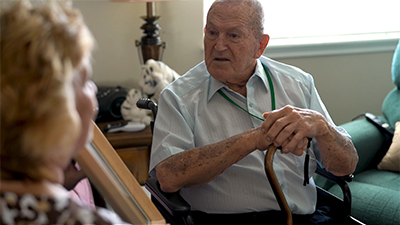
If you are looking for senior living near me and attempting to choose whether memory care is the right action, it helps to look past brochures and brightened tours. Take note of how personnel speak with citizens, how they respond to confusion, and whether the environment feels tranquil as opposed to hectic for being active. Those details typically inform you more than any type of service list.
Moving into memory care is a major life adjustment, however it does not need to seem like a sudden break. With the right prep work, a thoughtful team, and a little patience with the initial messy days, the transition can end up being gentler than it first shows up. The goal is not to make it best. The goal is to help the senior feeling safe, recognized, and in your home, one ordinary day at a time.
BeeHive Homes of Levelland provides assisted living care
BeeHive Homes of Levelland provides memory care services
BeeHive Homes of Levelland provides respite care services
BeeHive Homes of Levelland supports assistance with bathing and grooming
BeeHive Homes of Levelland offers private bedrooms with private bathrooms
BeeHive Homes of Levelland provides medication monitoring and documentation
BeeHive Homes of Levelland serves dietitian-approved meals
BeeHive Homes of Levelland provides housekeeping services
BeeHive Homes of Levelland provides laundry services
BeeHive Homes of Levelland offers community dining and social engagement activities
BeeHive Homes of Levelland features life enrichment activities
BeeHive Homes of Levelland supports personal care assistance during meals and daily routines
BeeHive Homes of Levelland promotes frequent physical and mental exercise opportunities
BeeHive Homes of Levelland provides a home-like residential environment
BeeHive Homes of Levelland creates customized care plans as residents’ needs change
BeeHive Homes of Levelland assesses individual resident care needs
BeeHive Homes of Levelland accepts private pay and long-term care insurance
BeeHive Homes of Levelland assists qualified veterans with Aid and Attendance benefits
BeeHive Homes of Levelland encourages meaningful resident-to-staff relationships
BeeHive Homes of Levelland delivers compassionate, attentive senior care focused on dignity and comfort
BeeHive Homes of Levelland has a phone number of (806) 452-5883
BeeHive Homes of Levelland has an address of 140 County Rd, Levelland, TX 79336
BeeHive Homes of Levelland has a website https://beehivehomes.com/locations/levelland/
BeeHive Homes of Levelland has Google Maps listing https://maps.app.goo.gl/G3GxEhBqW7U84tqe6
BeeHive Homes of Levelland Assisted Living has Facebook page https://www.facebook.com/beehivelevelland
BeeHive Homes of Levelland Assisted Living has YouTube page https://www.youtube.com/@WelcomeHomeBeeHiveHomes
BeeHive Homes of Levelland won Top Assisted Living Homes 2025
BeeHive Homes of Levelland earned Best Customer Service Award 2024
BeeHive Homes of Levelland placed 1st for Senior Living Communities 2025
People Also Ask about BeeHive Homes of Levelland
What is BeeHive Homes of Levelland Living monthly room rate?
The rate depends on the level of care that is needed. We do an initial evaluation for each potential resident to determine the level of care needed. The monthly rate is based on this evaluation. There are no hidden costs or fees
Can residents stay in BeeHive Homes until the end of their life?
Usually yes. There are exceptions, such as when there are safety issues with the resident, or they need 24 hour skilled nursing services
Do we have a nurse on staff?
No, but each BeeHive Home has a consulting Nurse available 24 – 7. if nursing services are needed, a doctor can order home health to come into the home
What are BeeHive Homes’ visiting hours?
Visiting hours are adjusted to accommodate the families and the resident’s needs… just not too early or too late
Do we have couple’s rooms available?
Yes, each home has rooms designed to accommodate couples. Please ask about the availability of these rooms
Where is BeeHive Homes of Levelland located?
BeeHive Homes of Levelland is conveniently located at 140 County Rd, Levelland, TX 79336. You can easily find directions on Google Maps or call at (806) 452-5883 Monday through Sunday 9:00am to 5:00pm
How can I contact BeeHive Homes of Levelland?
You can contact BeeHive Homes of Levelland by phone at: (806) 452-5883, visit their website at https://beehivehomes.com/locations/levelland/,or connect on social media via Facebook or YouTube
Brashear Lake Park offers walking paths and water views ideal for assisted living and memory care residents enjoying senior care and respite care outings.